|
|

| Title: Astronomy Picture of the Day | |
| friendsoffortiesfive > General > General Discussion | Go to subcategory: |


| Author | Content |
Niceguy2

|
|
|
Date Posted:03/06/2014 11:29 PMCopy HTML I really love this site and |
|
Niceguy2
|
#6426 |
|
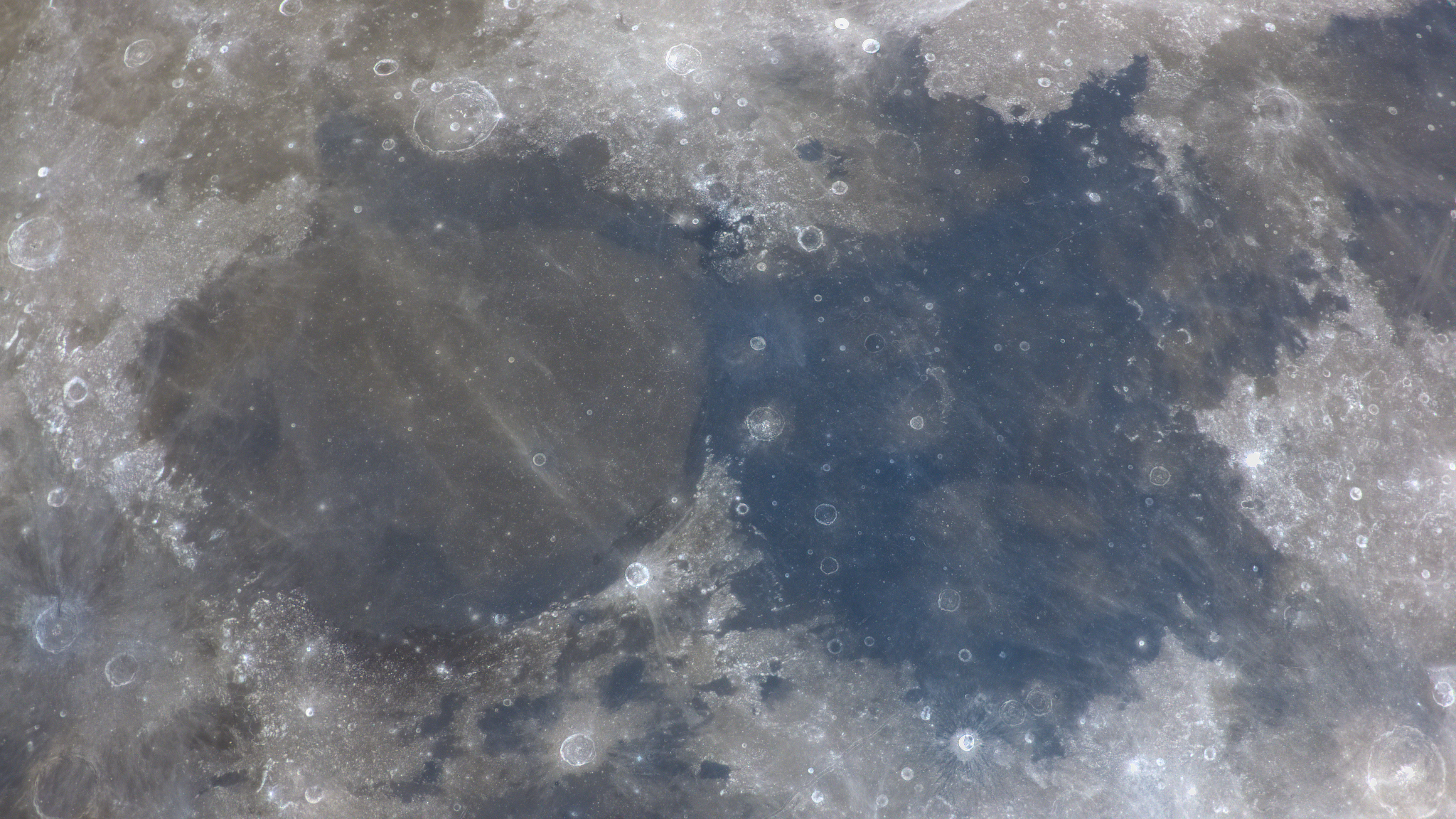
Re:Astronomy Picture of the Day Date Posted:07/26/2026 2:51 AMCopy HTML 2026 July 25 Image Credit & Copyright: Nyêrdson Ferreira Explanation: The Seas of Tranquility and Serenity are calm today. They're calm most every day though, since they are actually lunar maria, ancient lava flows filling in large impact basins on the Moon. Also known by Latin names Mare Tranquillitatis (right) and Mare Serenitatis, the smooth dark lunar "seas" are in stark contrast to the bright cratered lunar highlands surrounding them in this telescopic view. Of course their names are based on the historical, pre-telescopic designations of lunar maria. Easily visible to the unaided eye, the broad features on the Moon's near side were imagined to be like the expansive oceans of planet Earth. On July 20, 1969, the Apollo 11 lunar module Eagle touched down on the Mare Tranquillitatis (at lower right), establishing Tranquility base and the first human presence on the Moon. |
|
Niceguy2
|
#6427 |
|
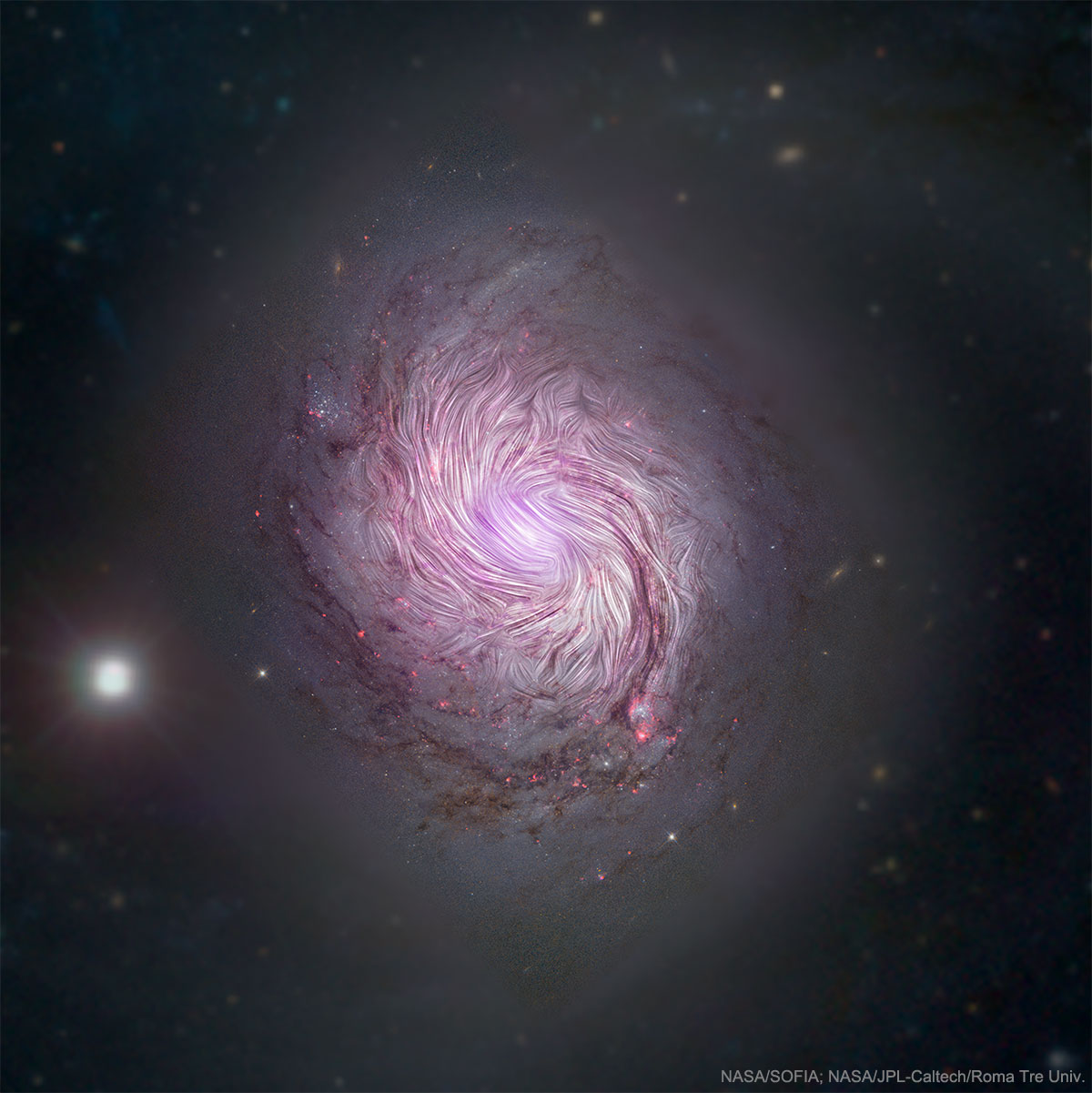
Re:Astronomy Picture of the Day Date Posted:07/27/2026 2:39 AMCopy HTML 2026 July 26 Image Credit: NASA, SOFIA, HAWC+; JPL-Caltech, Roma Tre. U.; ESA, Hubble, NuSTAR, SDSS Explanation: Can magnetic fields help tell us how spiral galaxies form and evolve? To find out, the HAWC+ instrument on NASA's airborne (747) SOFIA observatory observed nearby spiral galaxy M77. HAWC+ maps magnetism by observing polarized infrared light emitted by elongated dust grains rotating in alignment with the local magnetic field. The HAWC+ image shows that magnetic fields do appear to trace the spiral arms in the inner regions of M77, arms that likely highlight density waves in the inflowing gas, dust and stars caused by the gravity of the galaxy's oval shape. The featured picture superposes the HAWC+ image over diffuse X-ray emission mapped by NASA's NuSTAR satellite and visible light images taken by Hubble and the SDSS. M77 is located about 47 million light years away toward the constellation of the Sea Monster (Cetus). |